Affiliate content should feel like a useful conversation, not a product pitch generated from a description. Affiliate Threads Generator explores how AI can turn product ideas into research-backed Threads content while keeping publishing under human control.
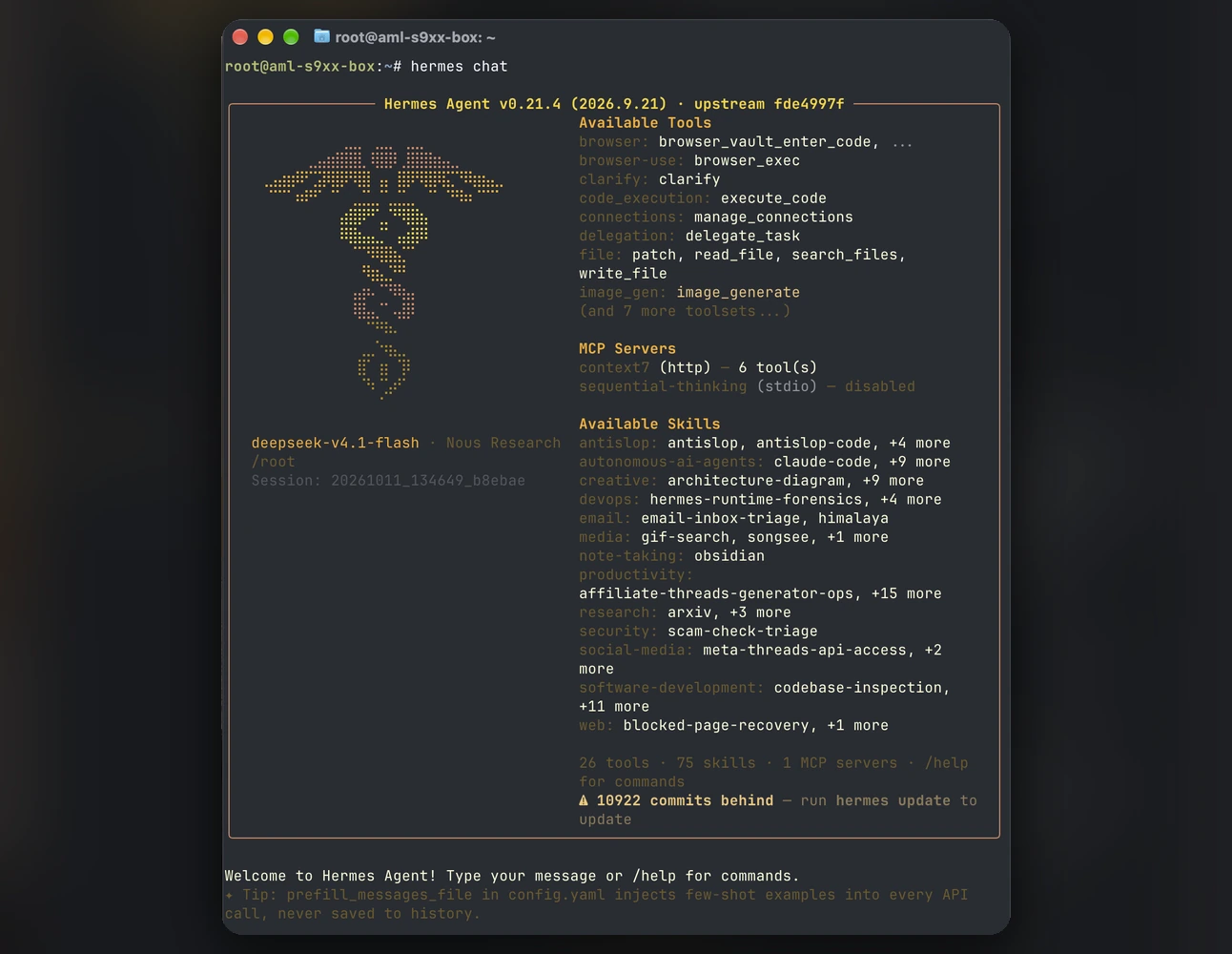
Built as an open-source Hermes Agent plugin, the project connects Telegram, Google Sheets, web research, AI-assisted writing, and the official Meta Threads API. Rather than building a separate bot and scheduler from scratch, it reuses Hermes infrastructure and adds custom code where deterministic validation and publishing control matter most.
From product candidates to content
Google Sheets acts as the source of truth for product candidates and their workflow status. The system selects one eligible candidate at a time, researches the product and its context, explores potential story angles, and drafts a conversation-oriented thread.
The writing workflow includes voice and point-of-view planning, hook variations, editorial review, naturalization, and checks for repetitive patterns. When relevant, it can use stored first-hand testimony, while preventing unsupported personal-experience claims from entering the published content.
Keeping publishing deterministic
The architecture separates AI reasoning from side effects. The bundled Skill handles research, writing, and workflow orchestration, while a dedicated publishing tool revalidates the selected Google Sheets row before publishing through the official Threads Graph API.
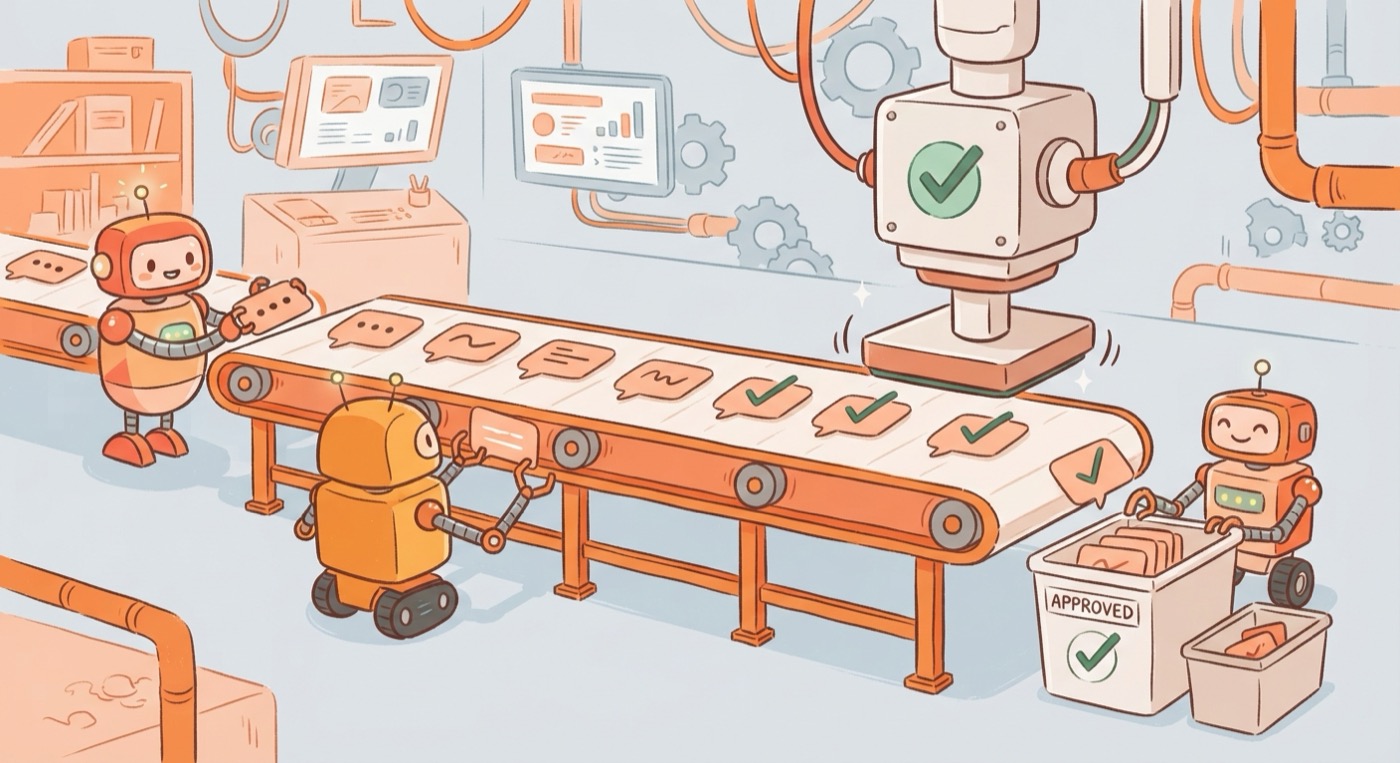
Publishing requires explicit human approval. The system also enforces candidate eligibility, validates content against defined guardrails, and updates the spreadsheet only after a successful publication is confirmed. This keeps important business rules in code instead of relying solely on the model to follow instructions.
Telegram as the control surface
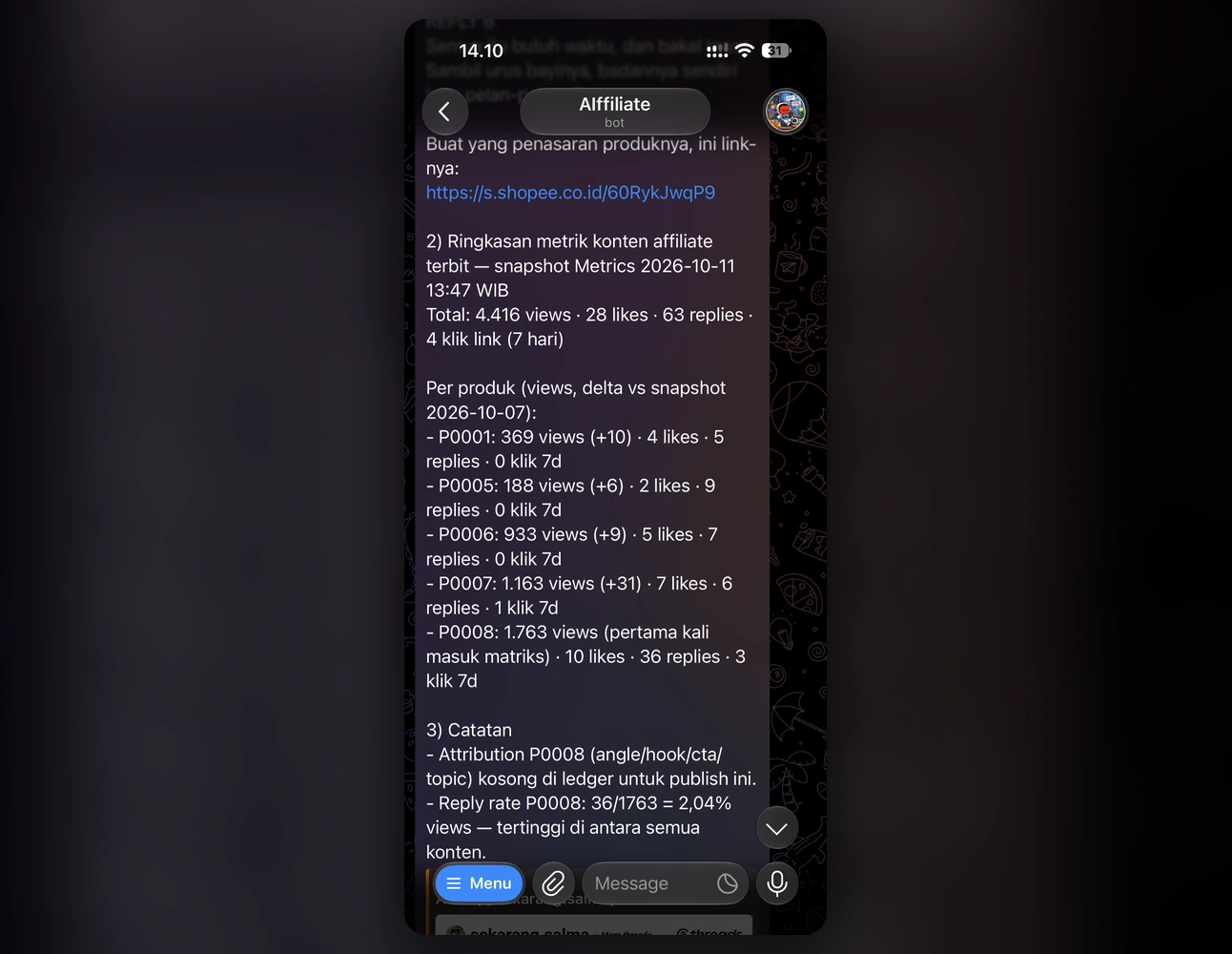
Telegram provides the main interface for requesting content and managing decisions such as approve, hold, cancel, or regenerate. Scheduled runs prepare content for review rather than publishing automatically, preserving the same approval boundary as manual requests.
A read-only status command checks credentials, token expiry, spreadsheet access, and the next eligible candidate. A separate scheduled task retrieves engagement insights for published posts, making performance data available without creating another publishing path.
Designed as one installable plugin
The project packages its Skill, publishing and preflight tools, lifecycle hooks, and status command into a single Hermes plugin. This keeps the instructions and enforcement logic versioned together, reducing the risk of duplicated components drifting out of sync.
The result is an exploration of agentic workflow design where AI handles research and creative reasoning, deterministic code enforces critical rules, and a human retains the final publishing decision.